Tyre strategy and pit stops: why most races are decided here
Sep 11, 2026 · 09:10
Two compounds are mandatory and a stop costs twenty seconds - from there on it is pure maths.
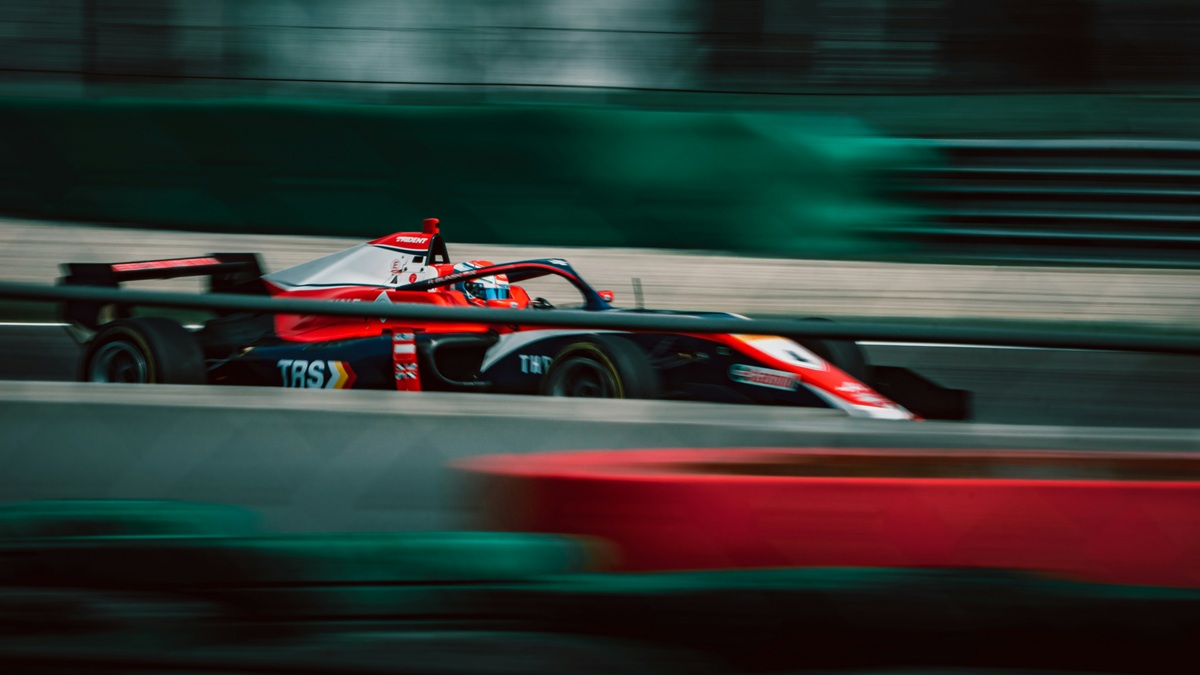
Overtaking is hard in Formula 1, so most position changes are made in the pit lane rather than on track.
The mandatory compound change
In a dry race every driver must use at least two different tyre compounds, meaning at least one pit stop. Every strategic decision follows from that: the question is not whether to stop but when.
Soft or hard?
The softer compound is faster but wears out sooner, the harder one is slower but lasts longer. Teams must calculate whether the time gained with quicker laps covers the cost of an earlier stop and greater wear.
Undercut and overcut
The undercut means the chasing driver stops first, sets fast laps on fresh tyres and emerges ahead once the car in front stops. The overcut is the opposite: the driver stays out longer, speeds up in clean air and moves ahead that way. Which one works depends on the circuit and tyre degradation.
The safety car that changes everything
When a safety car appears the field bunches up and a pit stop costs far less time, so a driver can win or lose everything in a single lucky moment. Teams therefore work through several parallel scenarios at all times.